Leading a clean urban recovery with electric buses: Innovative business models show promise in Latin America
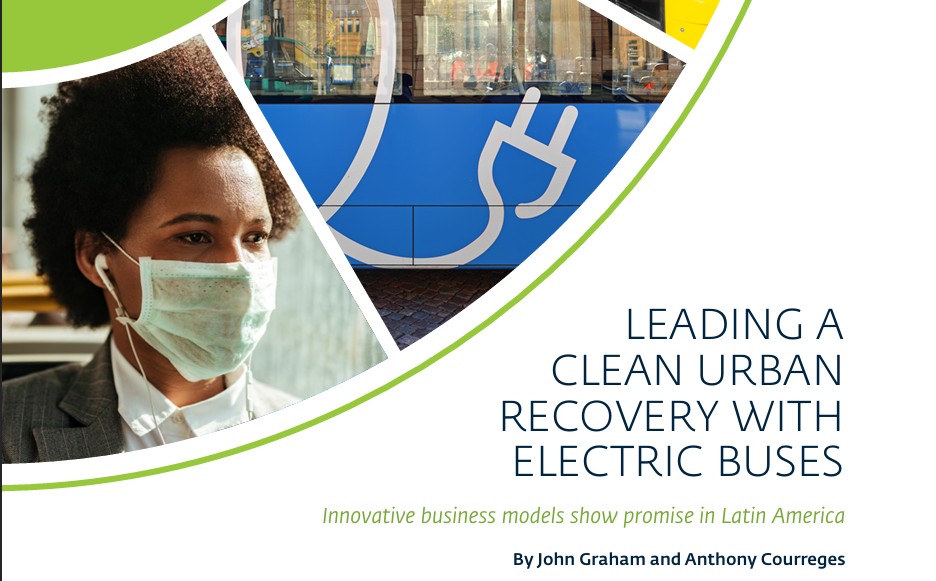
As governments around the world face a dramatic loss of revenues as a result of the lockdowns imposed to curb the progression of COVID-19, public transit services around the world are in real danger. The high upfront cost of electric buses means that these projects risk being particularly impacted by reduced municipal budgets. However, their significantly lower operating costs compared to diesel alternatives, and long-term financial viability, opens the door to ‘unbundled’ project finance structures – the upfront capital can be repaid using the cashflow generated by the project itself, with little to no reliance on tax-based municipal revenues and budgets. Read more about these models in Accelerating a market transition in Latin America: New business models for electric bus deployment.
Related Publications
-
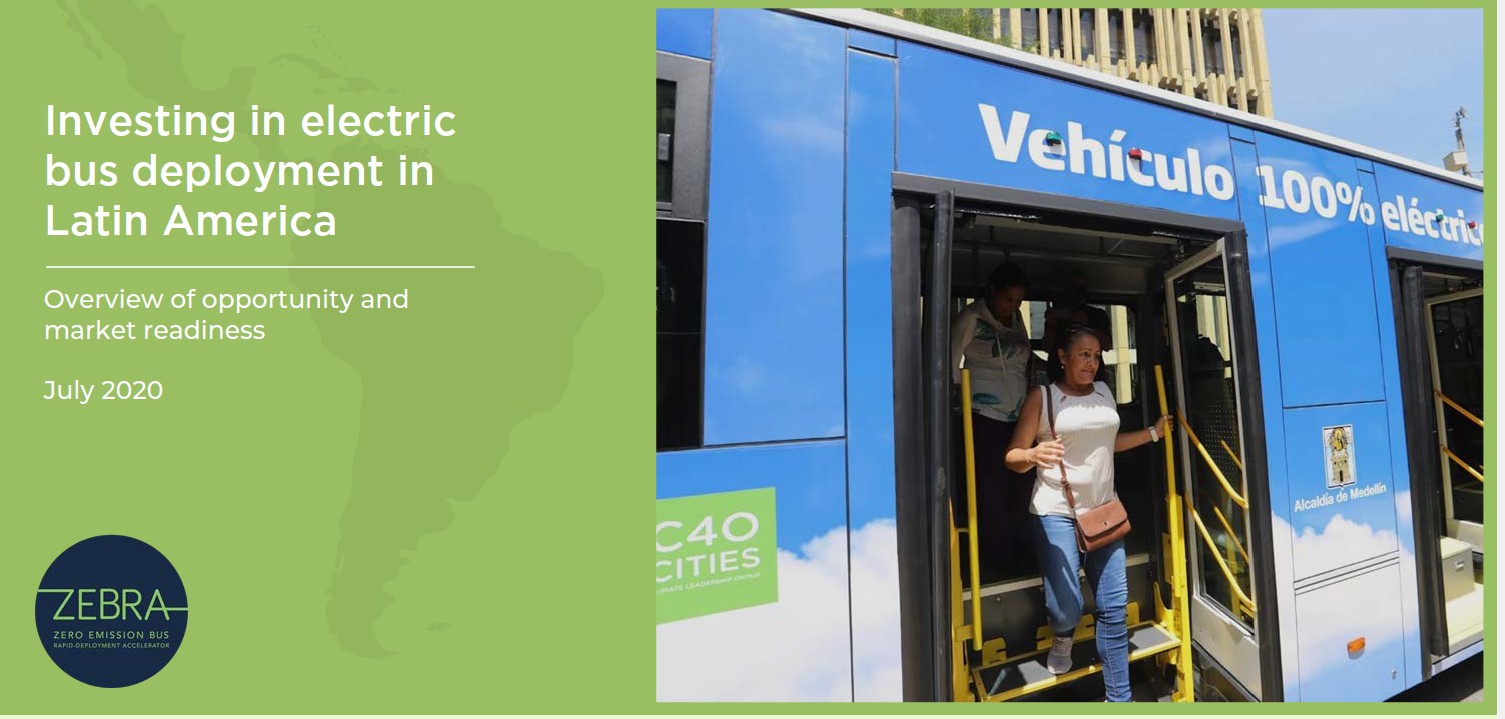
Investing in electric bus deployment in Latin America: Overview of opportunity and market readiness
-

Accelerating a market transition in Latin America: New business models for electric bus deployment
-

Investing in electric bus deployment in Latin America: Overview of opportunity and market readiness
-
Innovative E-bus Procurement Models in South Africa: Benchmark, Legal, Policy, Financial and Technical
-
Innovative E-bus Procurement Models: Policy Brief